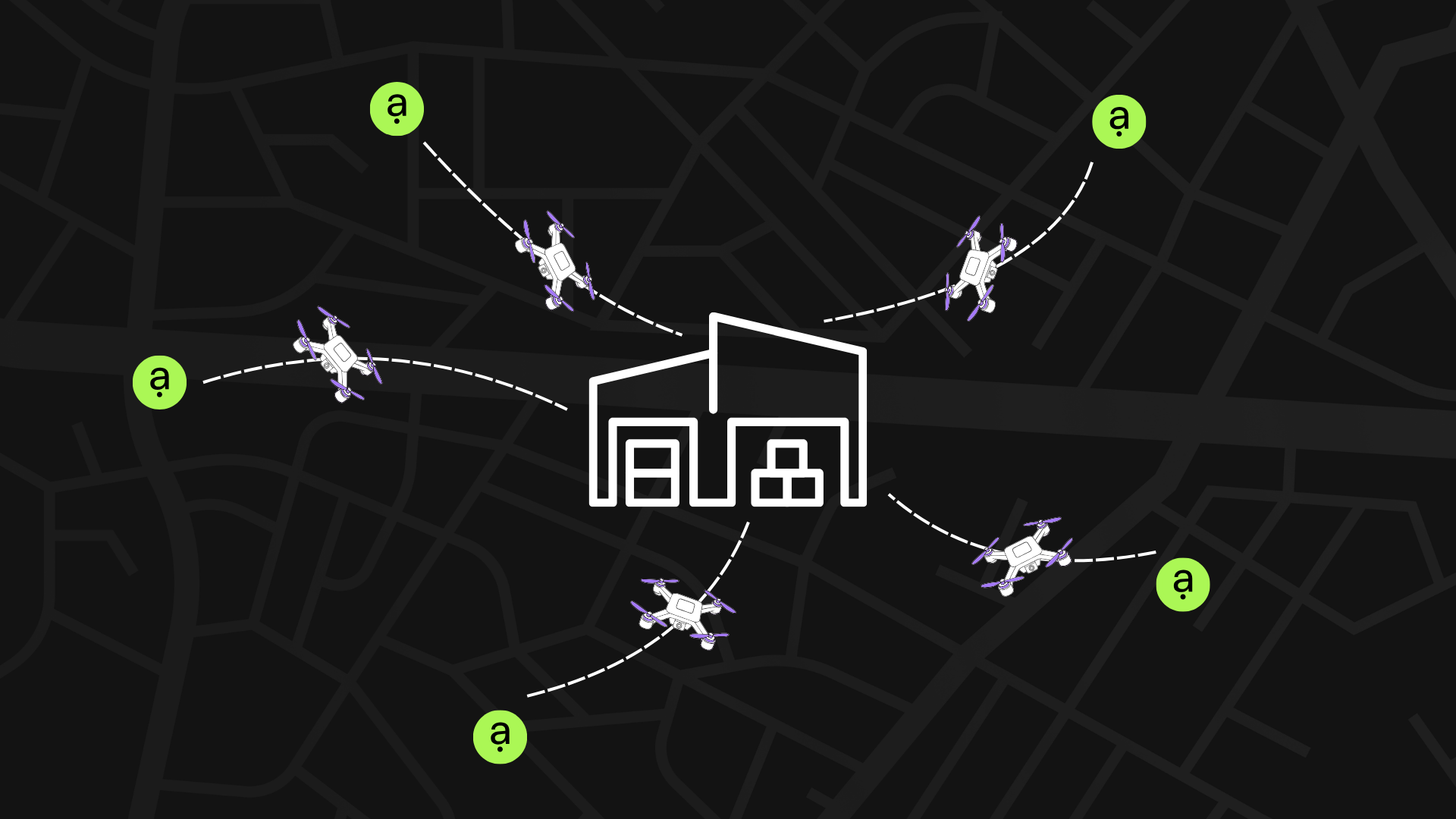
For years, drone delivery has been discussed as a promising way to move goods faster. Today, the conversation is increasingly shifting from whether drones can deliver packages to how companies can build reliable, commercially sustainable delivery networks.
In an article, The Driverless Digest examined which companies are best positioned to scale drone delivery. The analysis highlighted an important distinction: success depends not only on aircraft capabilities, but also on the operational systems surrounding them.
The opportunity extends beyond replacing existing delivery trips. Faster, more convenient delivery could also change when and how frequently people order everyday items.
But turning that potential into a scalable business requires more than technological progress. It requires a delivery system that works from beginning to end.
When people think about drone delivery, flight time is an obvious place to start. A drone may cover a route in minutes, but customers experience the entire process, from placing an order to receiving the package.
Before a drone takes off, an order must be prepared, packaged, and loaded. After it arrives, the delivery still needs to be completed.
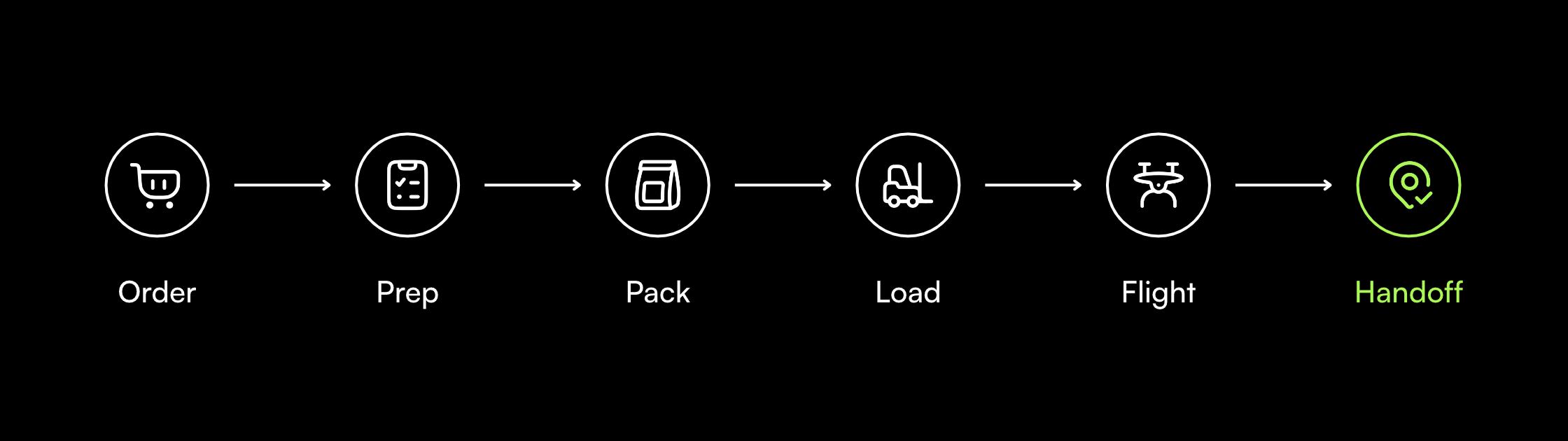
If any of these steps introduces delays, the advantage of a fast flight can diminish.
This becomes especially important as operators expand beyond a small number of controlled locations. A process that works well at one site may be harder to manage across hundreds of locations with different layouts, staffing levels, and workflows.
Scaling therefore requires attention to the entire process, not just the aircraft’s performance.
Another challenge is cost.
Operating a drone delivery network involves more than purchasing and maintaining aircraft. It also requires physical infrastructure, loading operations, charging, maintenance, remote oversight, and customer support.
All these factors contribute to the cost of each delivery.
Higher order volumes can create opportunities to improve efficiency, but only if the surrounding operation can handle that volume without introducing new bottlenecks.
The locations supporting drone delivery also matter. Large retail and fulfillment sites may offer concentrated demand and established operations. Smaller merchant locations can present more complicated coordination and infrastructure requirements.
There is no single operating model that automatically works everywhere. Companies need to match their delivery networks to the demand, facilities, and workflows available at each location.
As drone delivery expands, the industry must consider not only where packages originate and how they travel, but also what happens when they reach their destinations.
A delivery endpoint can play an important role in completing that process. Recipients may not always be available when a package arrives, and some environments require secure access, monitoring, or a documented record of custody.
Without appropriate infrastructure, the final handoff can introduce additional coordination into an otherwise autonomous workflow.
At Arrive AI, we are focused on this part of the delivery system.
Arrive Points™ are secure delivery endpoints designed to support authenticated access, monitoring, and documented chain of custody. They provide a defined place for deliveries to be deposited and retrieved, helping support more organized handoffs.
The goal is to make the destination part of the system rather than treating it as an afterthought.
This doesn’t eliminate every operational challenge involved in drone delivery. Aircraft capabilities, loading processes, safety requirements, and delivery economics remain important. But reliable endpoint infrastructure is another piece of the larger system that needs to work.
The future of autonomous delivery is unlikely to depend on a single type of machine.
Drones may serve certain routes and delivery scenarios, while ground robots or other autonomous systems may be better suited to others. Different environments will require different approaches.
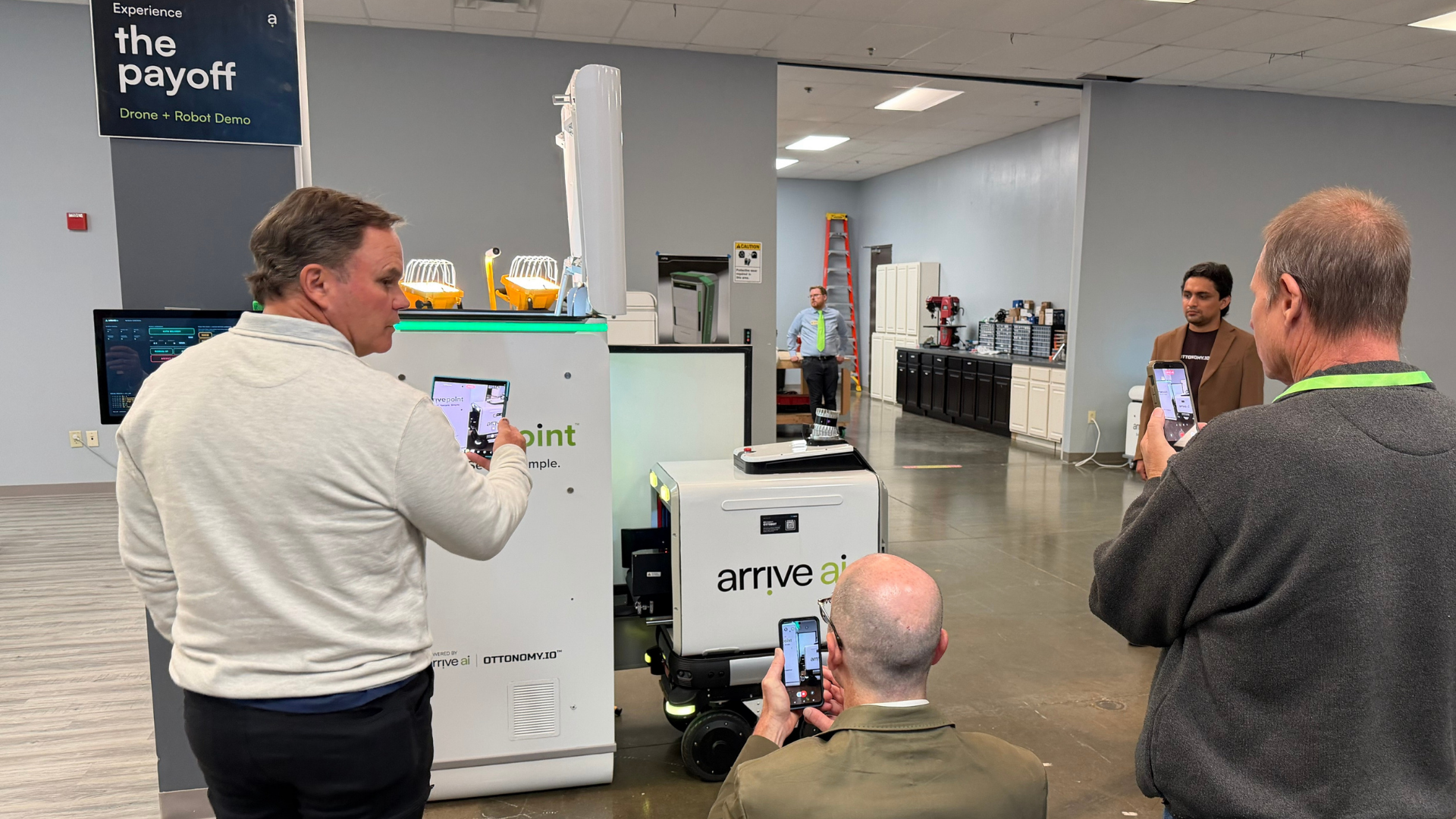
That creates an opportunity for infrastructure designed to support delivery workflows beyond a single aircraft or robot.
When the endpoint is designed as part of a broader delivery network, it can help connect the arrival of an autonomous system with secure access and retrieval. This becomes particularly relevant in settings where dependable handoffs and accountability matter.
At Arrive AI, our focus is on building infrastructure that can support autonomous delivery across healthcare, logistics, and commercial environments.
The broader opportunity is to make the infrastructure work alongside evolving delivery technologies rather than tying the entire process to one machine.
Drone delivery has the potential to change how goods move, but commercial scale requires more than impressive flight capabilities.
Orders must be prepared efficiently. Operations must be cost-effective. Physical infrastructure must support delivery volumes. And packages need a reliable way to complete the final handoff.
These pieces are connected. Improving one part of the process cannot always compensate for limitations elsewhere.
As the industry moves toward larger deployments, the companies building the systems around autonomous delivery will play an important role in how effectively those networks operate.
At Arrive AI, we believe the future of delivery depends on connecting autonomous machines with infrastructure designed for the real-world environments where deliveries happen.
The drone may carry the package. But the entire system is what makes the delivery work.
Arrive AI is developing secure delivery endpoints to help autonomous systems complete deliveries through more organized and accountable handoffs.
Discover how Arrive AI is building secure delivery endpoints for the next generation of autonomous delivery.
Learn more about Arrive Points™: https://www.arriveai.com/solution


