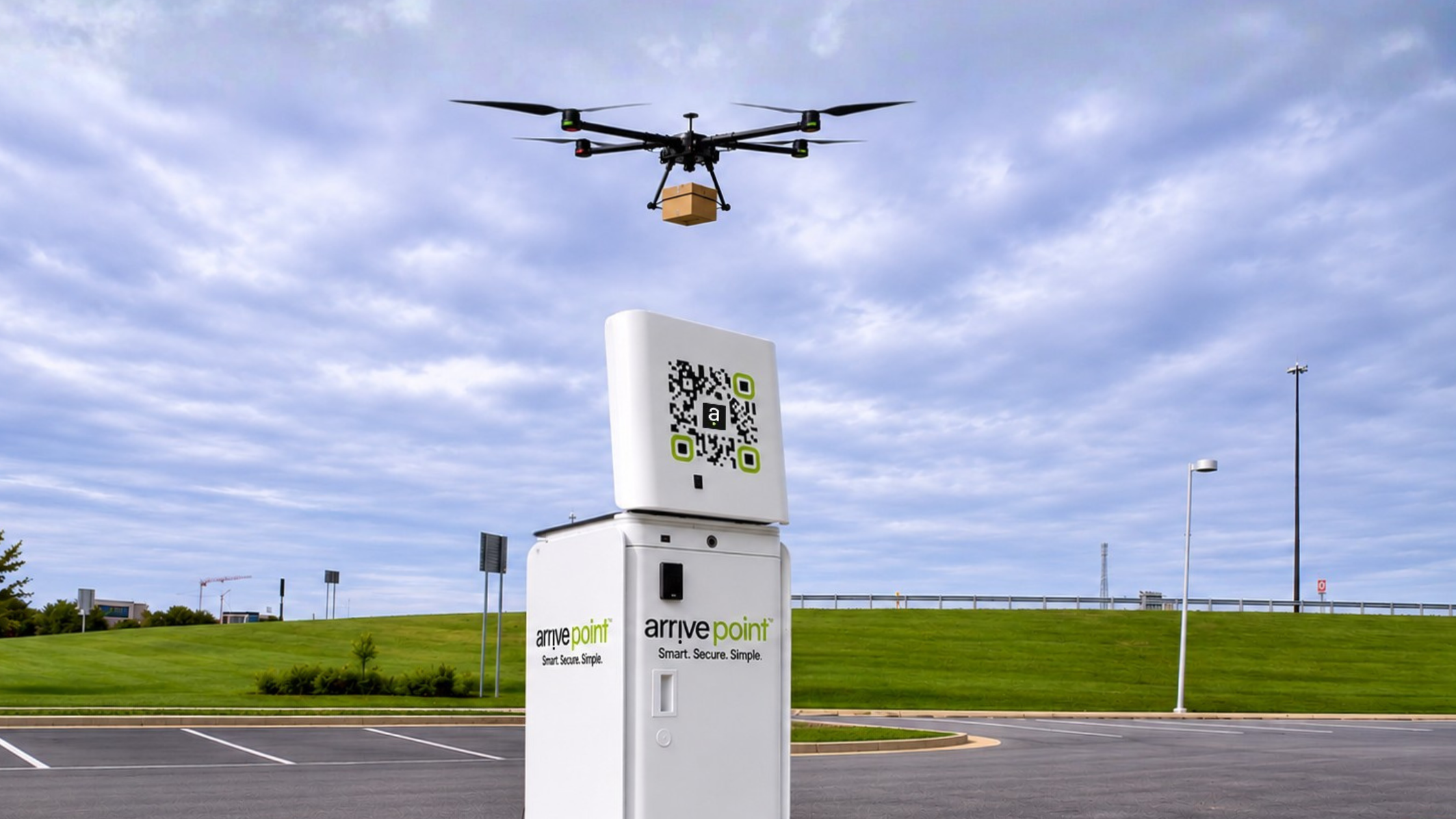
Drones can deliver packages through the air. Robots can carry goods across campuses and sidewalks. Self-driving vehicles can transport items along roads.
These technologies are changing how deliveries are made. But there's one important question: What happens when a package reaches its destination?
A delivery vehicle can travel quickly, but the process is not complete until the package reaches a secure and accessible receiving point.
As new delivery methods continue to develop, the infrastructure supporting the final handoff becomes increasingly important.
At Arrive AI, we are focused on addressing this part of the delivery process through a shared network of secure delivery points designed to work with different delivery providers.
Imagine ordering something online and having it delivered by a drone.
The drone reaches your location, but where does it leave the package? What happens if no one is available to receive it? How can the package remain secure until someone collects it?
These are important questions as new delivery methods become more common.
A faster delivery vehicle does not automatically make the entire process faster or easier. There still needs to be a safe and reliable way to receive the package.
This is where smart delivery infrastructure comes in.
The receiving point is an essential part of the delivery journey. It helps connect the transportation of a package with the person or place it is intended for.
Different companies use different methods to deliver packages. Some use drones, others use robots or vehicles, while many still rely on traditional couriers.
But what if these different delivery providers could use the same secure place to complete their deliveries?
That's the idea behind shared delivery infrastructure.
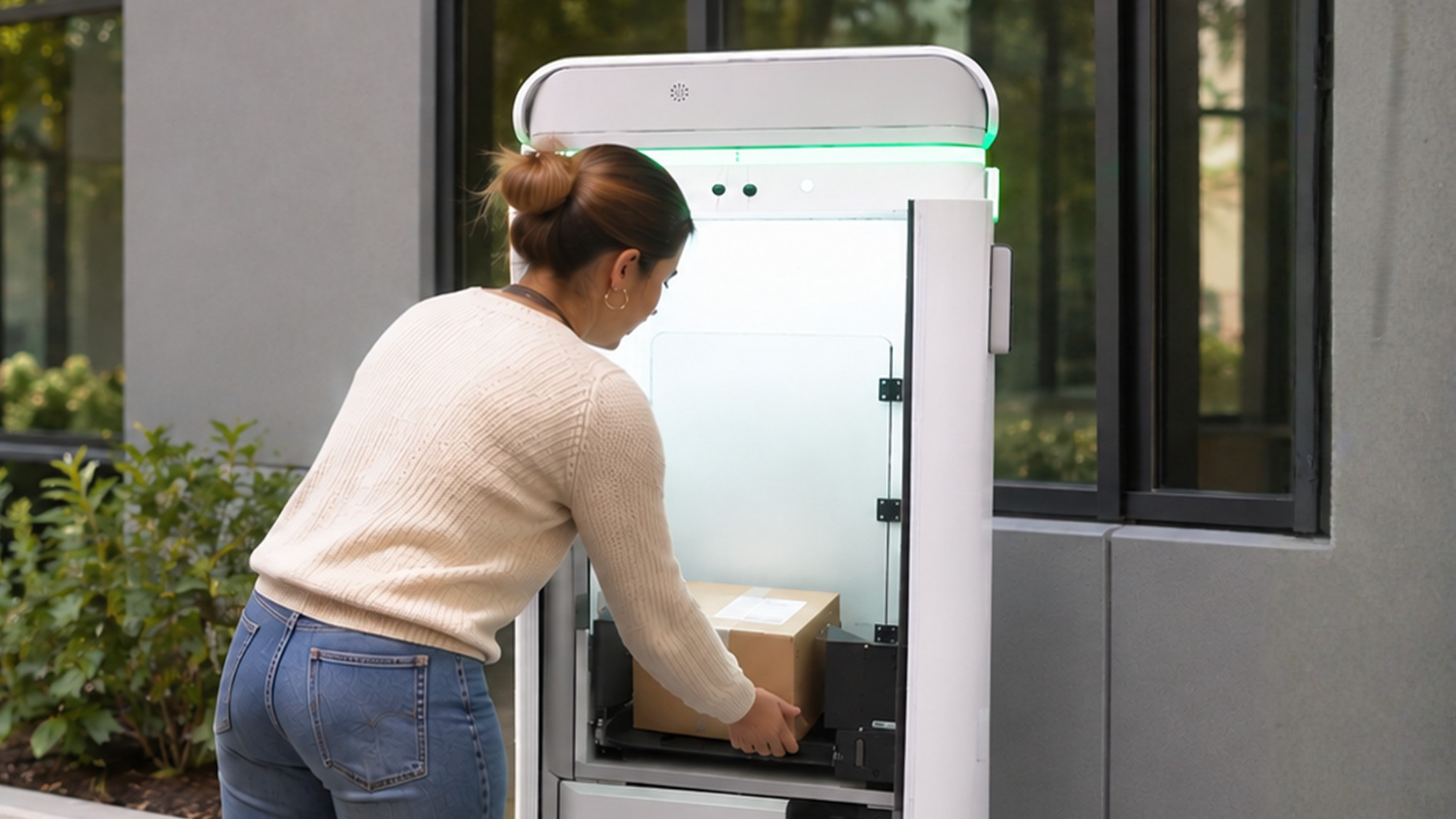
Instead of every delivery provider relying on a separate receiving system, a shared network could give different providers access to common delivery points.
Arrive AI is developing this concept through the Arrive Point™ Network.
Think of it as an evolution of the traditional mailbox. Rather than serving only one delivery method, Arrive Points are designed to support deliveries from different providers and technologies.
The vision is to provide a secure receiving point that helps make package handoffs more organized and convenient, while supporting controlled access and delivery accountability.
The future of smart delivery will likely involve more than one type of vehicle.
Drones, robots, self-driving vehicles, and traditional couriers may all play a role in moving packages and goods.
However, these delivery methods also need a way to connect with the places where packages are received.
Arrive AI's approach is to develop infrastructure that can support different delivery providers rather than limiting the receiving system to one company or type of vehicle.
This creates the possibility of a more connected delivery network, where different methods of transportation can use shared infrastructure to complete the final handoff.
For businesses, campuses, healthcare facilities, and communities, this could provide more flexibility in how deliveries are received.
Developing smart delivery infrastructure also means understanding how it can work in different environments.
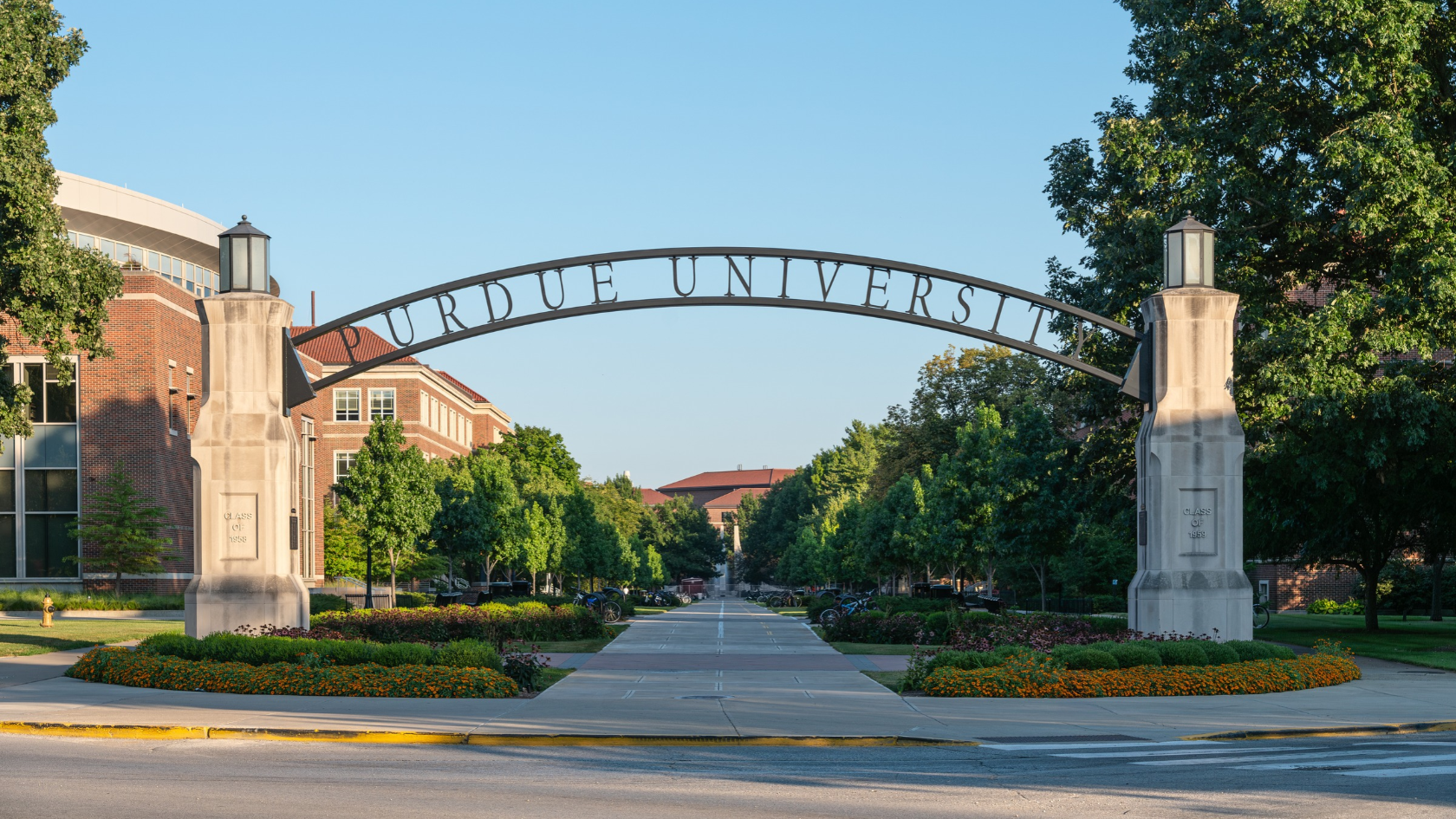
Through its collaboration with Purdue University, Arrive AI is exploring potential delivery applications in a university setting.
The collaboration brings together faculty, students, and other stakeholders to examine different use cases, test ideas, and learn how smart delivery technology and infrastructure can work together.
A university campus offers an interesting environment for this exploration. It brings together multiple buildings, people, and delivery needs, creating opportunities to study how packages could move across different locations.
This work helps explore what is practical, what needs further development, and how shared delivery infrastructure could support future applications beyond a testing environment.
Smart delivery is not just about how quickly a package can travel. It's also about what happens when it arrives.
A delivery can reach its destination in minutes, but if there is no safe and convenient way to receive it, the process is still incomplete.
Having a shared place where different delivery providers can leave packages could help address this challenge.
For businesses, healthcare facilities, campuses, and communities, reliable receiving infrastructure could become an important part of making new delivery methods more practical.
The final handoff deserves the same attention as the transportation that comes before it.
As delivery technology continues to improve, the systems around it need to evolve too.
Drones and robots may change how packages travel, but reliable delivery infrastructure helps connect those technologies to the places and people receiving them.
That's the idea behind Arrive AI's work: developing a shared network of secure delivery points designed to support different ways of delivering goods.
The future of smart delivery isn't just about getting packages there faster. It's also about making sure there is a better, more connected way to receive them.
Hear Arrive AI CEO and Co-Founder Dan O'Toole discuss smart delivery, shared infrastructure, and the collaboration with Purdue University on The Big Biz Show.


