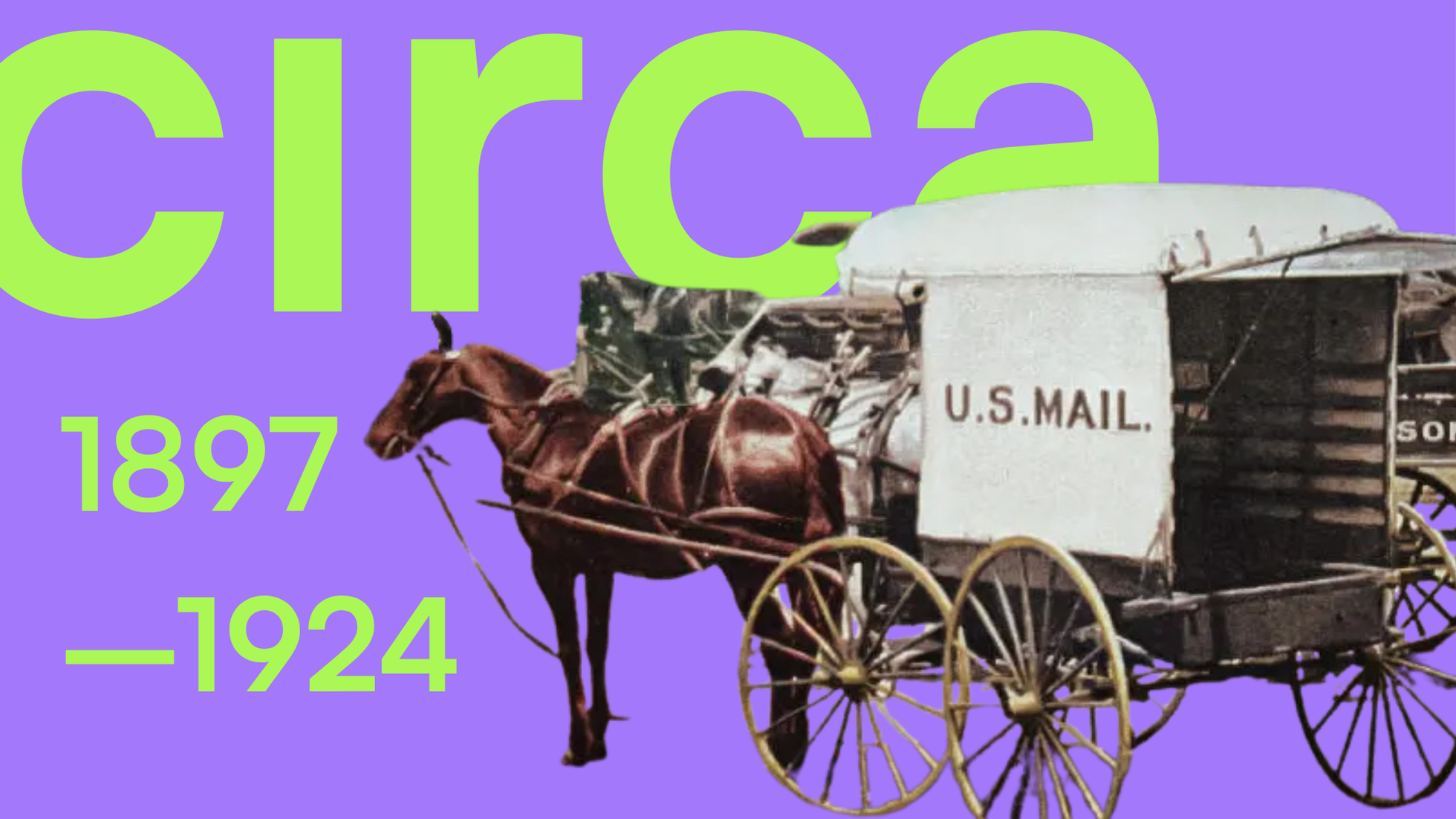
A box marked "Deliver to Pharmacy" left Peach Springs, Arizona this August strapped to the back of a mule.
That is not a metaphor. As reported by The Epoch Times, it is how medicine, mail, and even Amazon packages still reach Supai, a community of about 200 people at the bottom of the Grand Canyon. There are no roads in or out. Five days a week, a contractor named Nathan Chamberlain and his team load saddle packs and descend eight miles into the canyon, then climb eight miles back out. Two and a half hours down. Two and a half hours up. Through 111-degree heat, monsoon season, and rockslides.
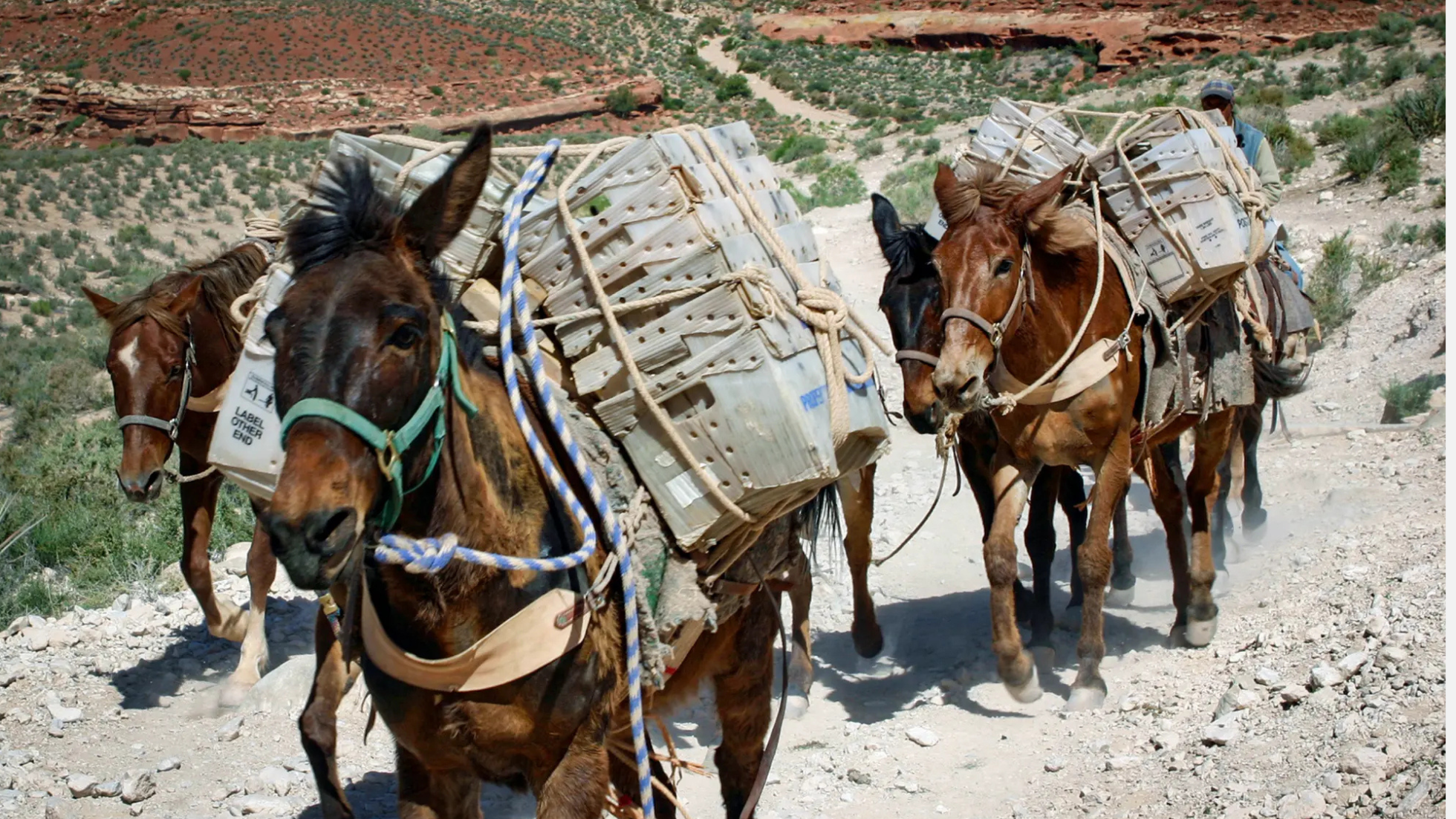
The Peach Springs postmaster put it plainly to a reporter this month: mule delivery is still the most practical, cost-effective way to get supplies there. The only backup is helicopter, and it is too expensive to run daily. A US Postal Service spokesperson went further, saying that when it comes to the bottom of the Grand Canyon, no technology has surpassed the mules.
Read that again. In 2026, the answer to "how do we get medicine to this community" is still a mule.
Supai is an extreme case, but the underlying problem is not rare at all. Last-mile delivery is not solved everywhere. It is solved in some places and quietly unaddressed in others, and the gap tends to be worst in exactly the settings where timing matters most: healthcare, rural facilities, and any location a truck or a person cannot easily and repeatedly reach on a schedule.
Most organizations do not have a canyon between their supply and their destination. What they have instead is friction that looks smaller on paper but adds up the same way: a courier waiting on a manual handoff, a delivery with no visibility until it arrives, a process built around "someone will bring it when they can."
That is the default a lot of facilities are still operating under. Not because a better option does not exist, but because it has not reached them yet.
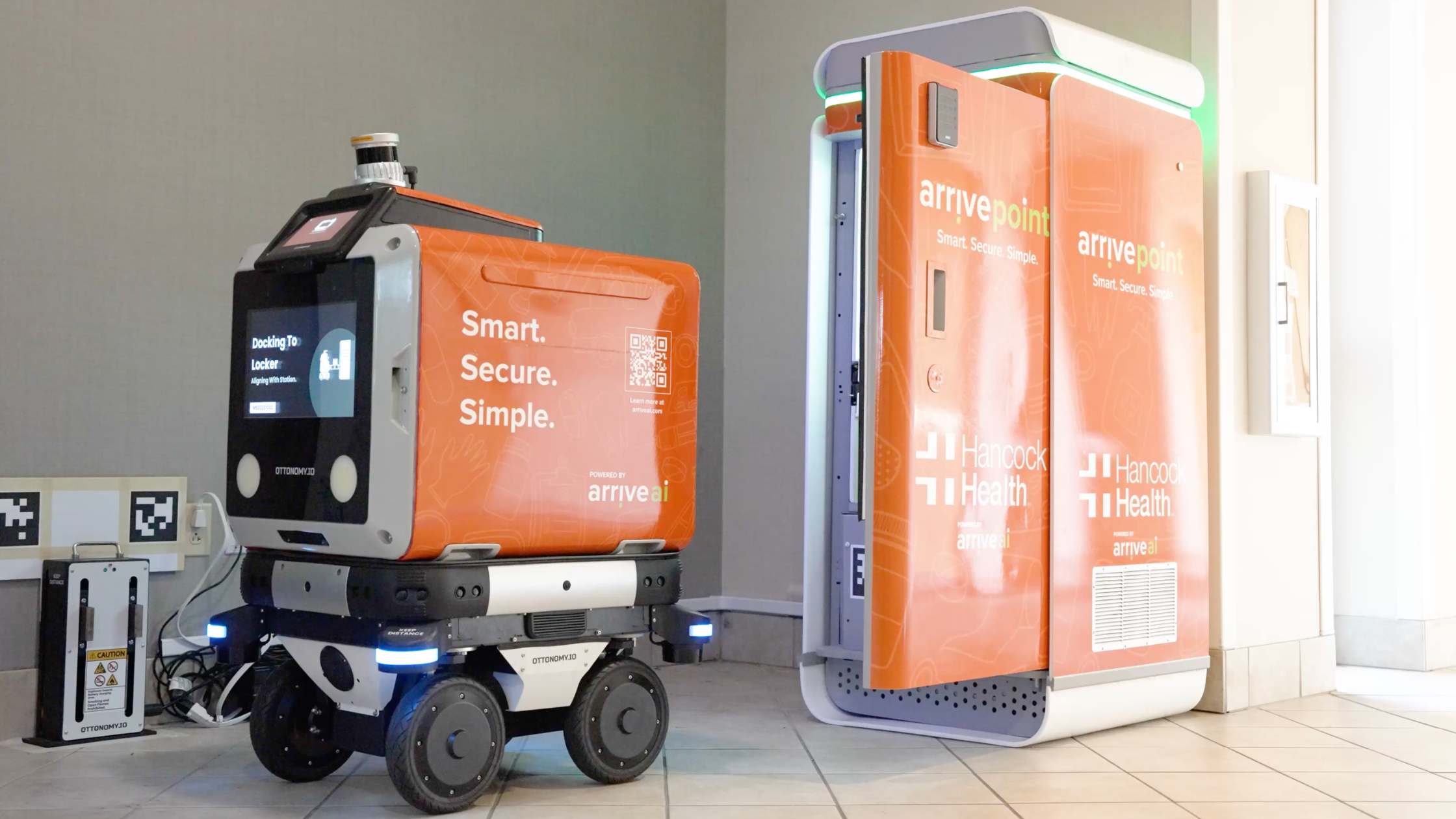
At Arrive AI, we think about this gap constantly. Our Arrive Points are self-operating delivery infrastructure, built on our own Arrive OS, with a live chain-of-custody dashboard so a facility always knows exactly where a delivery is and when it will arrive. No manual handoff. No waiting on someone else's schedule.
At Hancock Regional Hospital, that system is already live, moving medical supplies between facilities as the world's first fully asynchronous robotic delivery operation of its kind inside a hospital. Different terrain than a canyon trail, but the same core problem: get the right thing to the right place, reliably, without a person standing in the gap every time.
The mule train in Supai is not going anywhere soon, and that is fine. Some terrain genuinely resists automation for now. But for the vast majority of facilities and communities where infrastructure can actually reach, "we do not have a better way yet" should not still be the answer.
That is the gap we exist to close.
Arrive AI (NASDAQ: ARAI) builds autonomous delivery infrastructure for healthcare, logistics, and commercial deployments.
Reporting on the Supai mule mail route referenced above: Allan Stein, "The Last of the Mule Mail Carriers," The Epoch Times, Aug. 15, 2026. https://www.theepochtimes.com/article/the-last-of-the-mule-mail-carriers-6072174